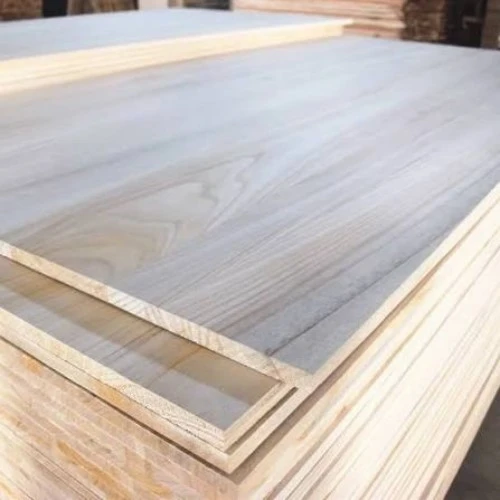
Paulownia and pine are common lumber choices. Each has distinct characteristics; this article provides a comprehensive comparison-covering raw materials, properties, applications, and maintenance-to help readers select the high-quality wood best suited to their needs.
Comparison of Raw Materials and Properties
Paulownia lumber is derived from the paulownia tree and is characterized by its hardness, wear resistance, corrosion resistance, and stability. It features a pale yellow hue, distinct grain, and a smooth finish, making it ideal for high-end furniture. In contrast, pine lumber comes from pine trees; it has a lower density, is lightweight and soft, and is easy to process and cut. Pine is lighter in color with an attractive grain, making it suitable for everyday furniture and decorative items. One should select the wood based on the specific material properties required.
Comparison of Applications and Use Cases
Due to its hardness and durability, paulownia lumber is widely used for high-quality furniture, flooring, and interior decoration. Pine lumber is suitable for furniture, flooring, door and window frames, and structural supports in construction. Selecting the right wood to meet specific application requirements is crucial.
Comparison of Characteristics and Maintenance
Paulownia lumber offers high stability and corrosion resistance; it is resistant to moisture-induced warping and requires minimal maintenance. However, it is relatively soft and prone to scratches or dents. By comparison, while pine lumber is more susceptible to warping from moisture, its softness makes repair and refinishing relatively easy-often requiring only simple sanding. Maintenance costs and durability are key factors to consider when choosing between these types of wood.