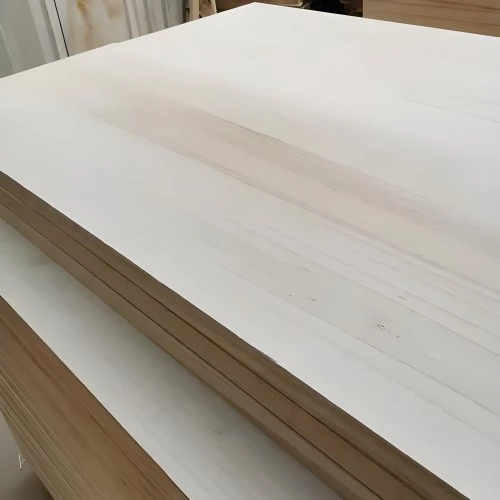
1.Wear resistance: Although lightweight, Paulownia wood is highly resistant to wear. Historically, bellows used for cooking fires were made entirely of Paulownia; despite the constant friction of the sliding handle, the casing boards remained durable. Beautiful grain and vibrant color: The wood features a fine, elegant grain with a natural, silky luster. Excellent acoustic properties: Paulownia is indispensable for musical instrument making; it maintains stable tonal quality regardless of weather fluctuations, earning it the nickname "Qin Tong" (instrument-grade Paulownia). Instruments such as the *yangqin* (hammered dulcimer), *pipa*, *liuqin*, and even the *qinhu* utilize Paulownia for their soundboards.
2. Easy to carve and dye: While resistant to splitting, the wood is soft, making it easy to process, carve, and dye. In construction, it is used for beams, purlins, doors, windows, ceilings, roofing tiles, and room partitions. Because it is smoke-impermeable, moisture-resistant, and resistant to insect damage, it is an ideal material for high-end furniture and musical instruments. Paulownia furniture is a best-selling luxury item in Japan, while Paulownia coffins are considered premium products for funeral rites in South Korea.
3. Military and industrial applications: Due to its lightness compared to ordinary timber, Paulownia wood is used for specialized applications such as model aircraft, precision instrument casings, interior paneling for passenger ships and buses, shipping containers for air and marine transport, and the production of high-quality paper and handicrafts. Recently, Paulownia has been paired with aluminum alloys for use in aircraft and submarines.