1. Eco-friendly and Healthy:
Pine lumber is a natural material free from harmful chemicals, making it more environmentally friendly than synthetic materials that require chemical processing. For instance, the natural resins and essential oils found in pine neither pollute the environment nor harm human health. Additionally, certain pine varieties possess natural antibacterial and insect-repellent properties, helping to improve indoor air quality.
2. Affordable and High-Quality:
Compared to premium woods like mahogany or oak, pine is relatively inexpensive. Pine trees grow quickly and are abundant, ensuring a stable supply and accessible pricing. For most budget-conscious households and businesses, pine lumber is an ideal choice.
3. Attractive and Elegant:
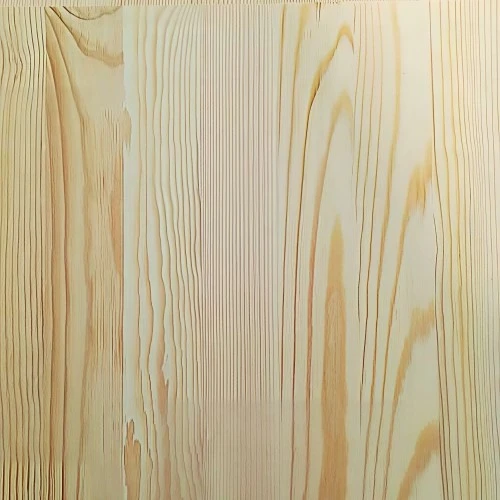
Pine features natural grain patterns and hues, offering a rustic yet beautiful aesthetic. Unstained and unfinished pine surfaces display a pale yellow tone and a soft luster, creating a unique, natural beauty. Pine is also easy to finish; it accepts paint and stain well, allowing for customization in color and style, which offers great flexibility in décor.
4. Excellent Workability:
Pine has a balanced texture and hardness-it is neither as prone to warping as softwoods nor as difficult to work with as hardwoods. This makes it perform exceptionally well during processes such as cutting, drilling, and gluing, making it suitable for creating furniture and decorative materials with complex structures. This characteristic is particularly appreciated in handcrafted furniture making.
5. Lightweight yet Strong:
Pine has moderate density and is lightweight, yet it boasts excellent mechanical properties. It reduces labor intensity during transport and installation while meeting structural strength requirements without adding excessive load to buildings. These qualities make pine lumber widely used in structural timber and lightweight furniture.